The $6.3 Billion Heist That Started With a Job Interview.
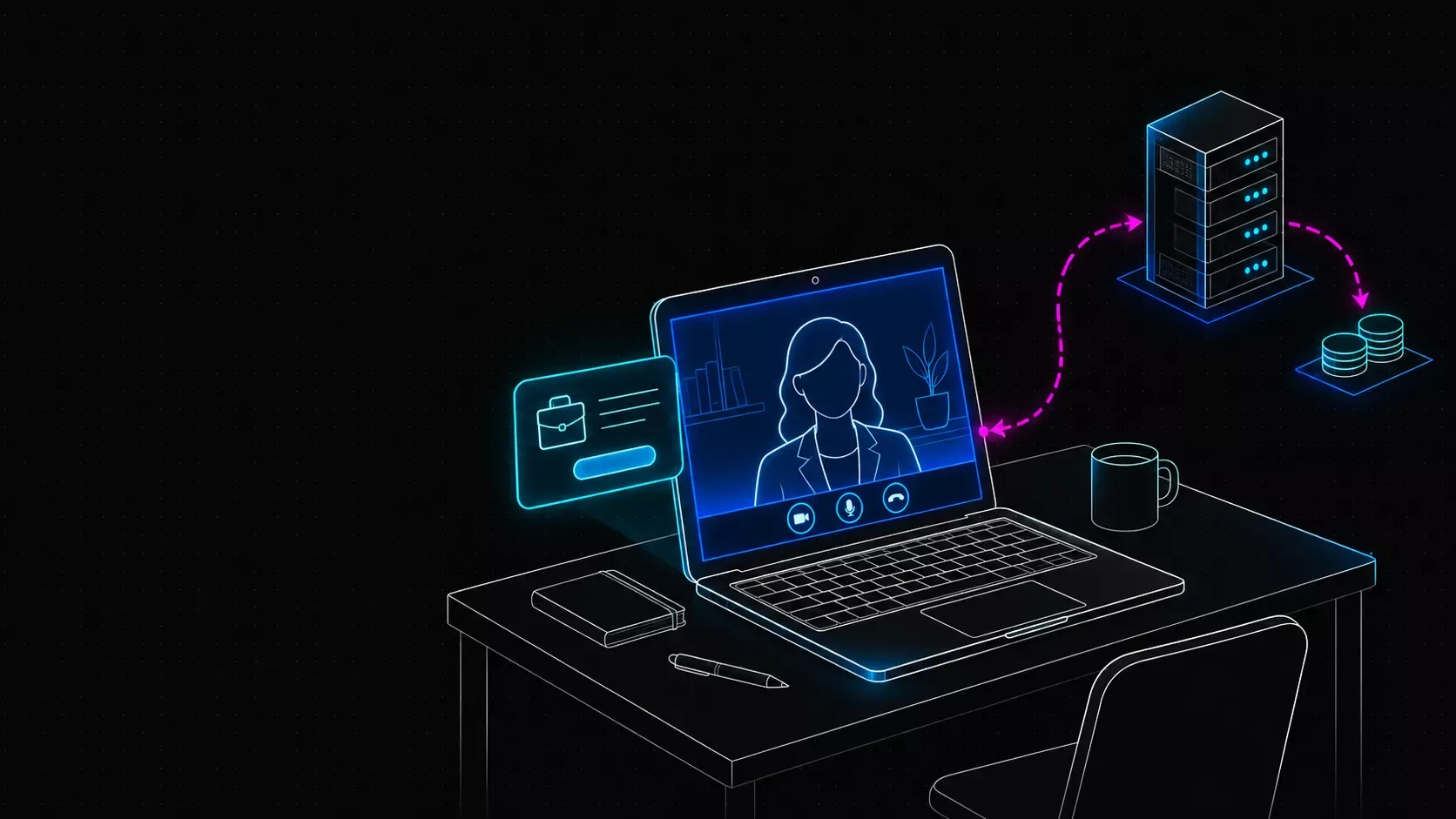
In early November 2026, Binance published its report on a cryptocurrency theft that outlets such as The Register describe as record-breaking: about 6.3 billion US dollars. What drew the most attention was not the figure. It was how it began: with a job offer.
There was no massive attack on servers and no spectacular flaw at the start. There were people receiving messages that looked normal, and files that looked like part of their work. It is a case of social engineering, and it holds lessons for any organization.
In short: the Binance theft, reported in November 2026, began with a fake job offer aimed at one engineer. The attackers combined social engineering, malware and internal access over several months. The lesson for any company: team awareness complements technical controls and is part of the first line of defense.
How it happened: a campaign of months, not a single day
According to Binance's report, covered by specialized outlets such as The Register, BleepingComputer and CNBC, it was not “a single isolated breach or a simple phishing incident”, but a sophisticated, multi-stage campaign:
- June. An engineer downloaded a malicious version of Homebrew, a common tool for installing development software. The company detected the problem, replaced the device and changed the affected credentials.
- September. Another engineer was contacted through a job platform. The person writing introduced themselves as a project director at a fictitious company and offered a position. A video call with a supposed HR representative followed, then a second round, through a chat app, with someone presented as the CEO. Finally came the “technical test”: a coding assignment hosted in a code repository that contained malware. According to Binance, that zero-day malware was not detected at the time by endpoint protection tools.
- October 20. From that device, the attackers used an internal artificial intelligence tool to reach the devices of two more engineers.
- October 29. Using stolen deployment access, they carried out the theft.
The attribution comes from the FBI, which linked the attack to TraderTraitor, an operation associated with North Korea. Binance's report does not make that attribution itself.
Why it worked: social engineering starts with a person
This case is not explained by technology alone. It is explained by trust. The attackers did not force a door: they got someone to open it, through a process that looked legitimate from start to finish.
That is social engineering: taking advantage of what we all do every day (answering a message, opening a file, helping someone, wanting to move forward in our careers) to gain access that would otherwise be difficult to get.
And it doesn't only happen to large technology companies. The same pattern appears in an email imitating a supplier, an “urgent” message from a supposed executive or a link asking you to update a password.
Warning signs your team can learn to recognize
- An offer or opportunity that arrives unsolicited and seems too good to be true. The contact knows details about your profile and everything fits a little too well.
- A request to download, install or run something to “test you”, review a document or join a meeting.
- The conversation moves to a different channel (from a professional network to a chat app) and urgency appears.
- A sender who resembles the real one, but with details that don't add up in the name, the domain or the tone.
A practical rule for technical teams: if a selection test requires running code, it is never done on a work device.
Educating your team is the first line of defense
Technical controls are essential, but this case shows their limit: when a person trusts the wrong message, the attack already has an entry point. That is why cybersecurity awareness cannot be an annual talk. It has to become a habit: people recognize a signal, stop and report it.
The case holds another lesson for security teams. The first attempt, in June, was detected and contained; months later another one arrived, better prepared. When an attempt is detected, closing it is not enough: it is worth asking what information may have been exposed, because it can feed the next attack. To see how these lessons connect with monitoring your web environment, read our article on the October 2026 vulnerabilities.
Hacker Rangers: awareness that becomes habit
At Wigilabs we believe a security culture is not imposed, it is built. That is why we offer Hacker Rangers, a gamified cybersecurity awareness platform that combines:
- Nanolearning: short, animated, subtitled lessons designed for the daily routine.
- Phishing simulations: realistic campaigns that measure and train the ability to identify threats.
- Gamification: rankings, badges and rewards that turn training into a habit, not an obligation.
- Behavior reports: visibility into each employee's progress and into how they report risks and apply what they have learned.
The goal is a team that recognizes and reports real attempts, and a security culture that lasts over time, not only through the initial training. Hacker Rangers is complemented by our Cybersecurity and Cyber Intelligence practice, which adds 24/7 monitoring and response and cyber intelligence on campaigns targeting your brand.
Frequently asked questions
What is social engineering?
It is the technique of obtaining access or an action by exploiting a person's trust, for example through a message, a file or an offer that looks legitimate, instead of directly breaking into a system.
How did the Binance theft begin?
According to Binance's report, the decisive phase began in September 2026, when an engineer received a fake job offer through a job platform and, after staged interviews, downloaded a technical test containing malware. The theft was carried out on October 29.
How can a company prepare its team?
With short, steady training, phishing simulations, clear rules (for example, never running code from selection tests on work devices) and a simple channel for reporting suspicious messages.
Start with a question
Would your team be able to recognize an offer, an email or a file that is not what it seems? If the answer is not a clear yes, it is a good time to start.
Discover Hacker Rangers and let's bring security awareness to your team.
Sources
We checked these facts against all three sources on November 6, 2026.
- The Register: “North Korean fake job interview led to $6.3B Binance heist” (November 3, 2026).
- BleepingComputer: “Binance says fake job interview led to $6.3 billion crypto heist”.
- CNBC: “Binance co-CEO Richard Teng says hackers used fake job interviews, AI tool to steal $6.3 billion in crypto” (November 3, 2026).